REED 2026: When Educators Educate Each Other
Written by Jack Meyers, Environmental Educator
Every year there is a meeting of like-minded individuals who have a passion for both the outdoors and sharing its splendor with all those who will hear. We refer to ourselves as Environmental Educators, and that day where we all meet is called the Regional Environmental Educators Day (REED). This event is organized by a steering committee of invested parties such as nature centers, museums, and environmental groups in our tri-state area.
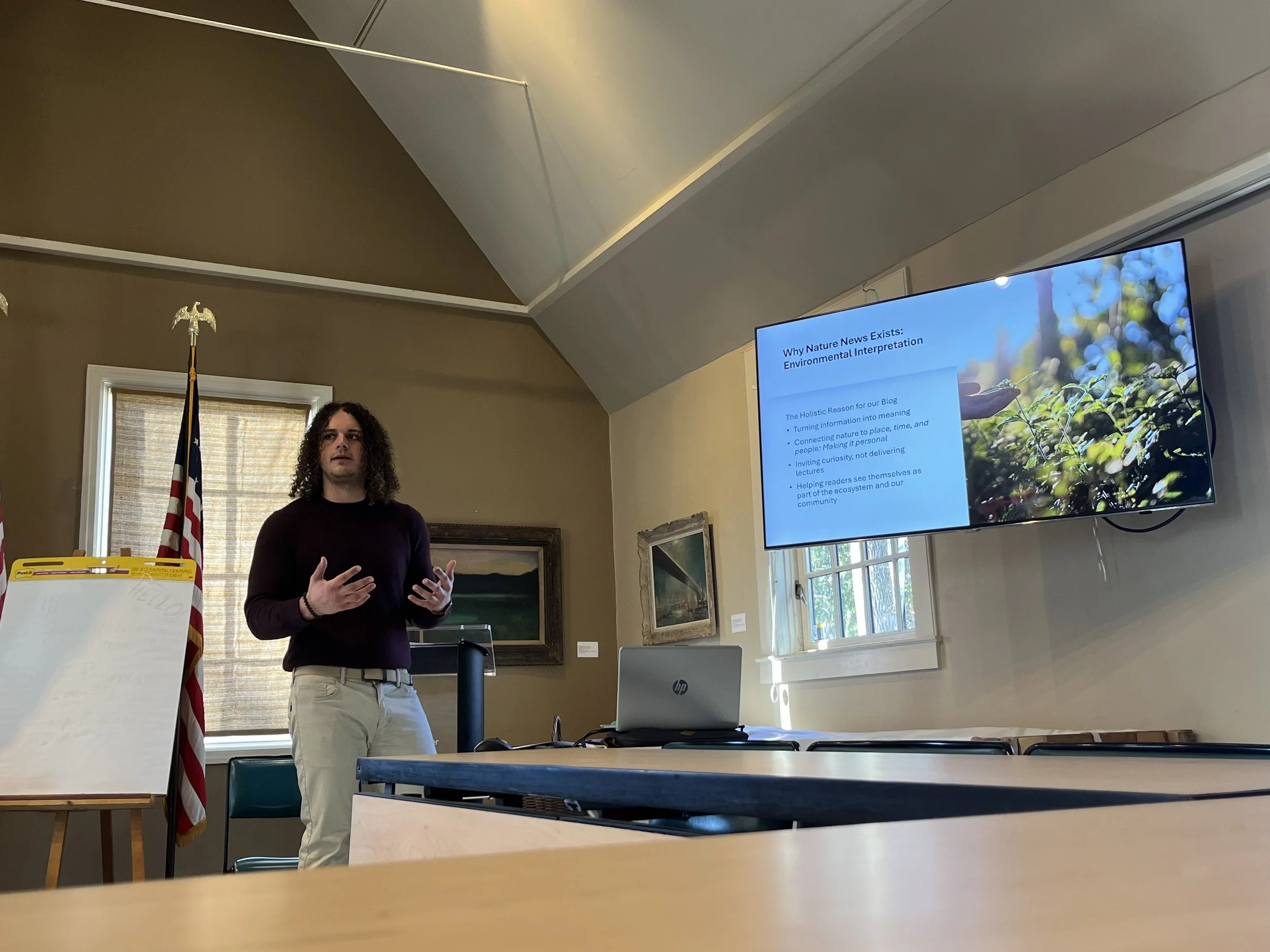
I was given the privilege of not only being a presenter at this year’s REED conference, but I was also able to do so on a topic very near and dear to me: Nature News! Without going into too much detail, this conference summed up to be a very fun, stressful, and meaningful day. While getting a chance to help other organizations better shape who they write about their own programs, projects, and passions was a wonderful and new experience for me. What made the day all the better was that I was able to share it with five other educators, one of which also was a presenter!
Meeting educators from different organizations across the tri-state and hearing their unique approach to exciting youths and adults alike in environmental studies and issues is an amazing experience in and of itself. But getting to then share and discuss how we can implement some of these ideas with your coworkers on the spot really rounded out the day to be an overly fulfilling experience.
Rather than provide my singular perspective on the conference, I have elected to ask each of my coworkers for some of their thoughts on their time at REED.
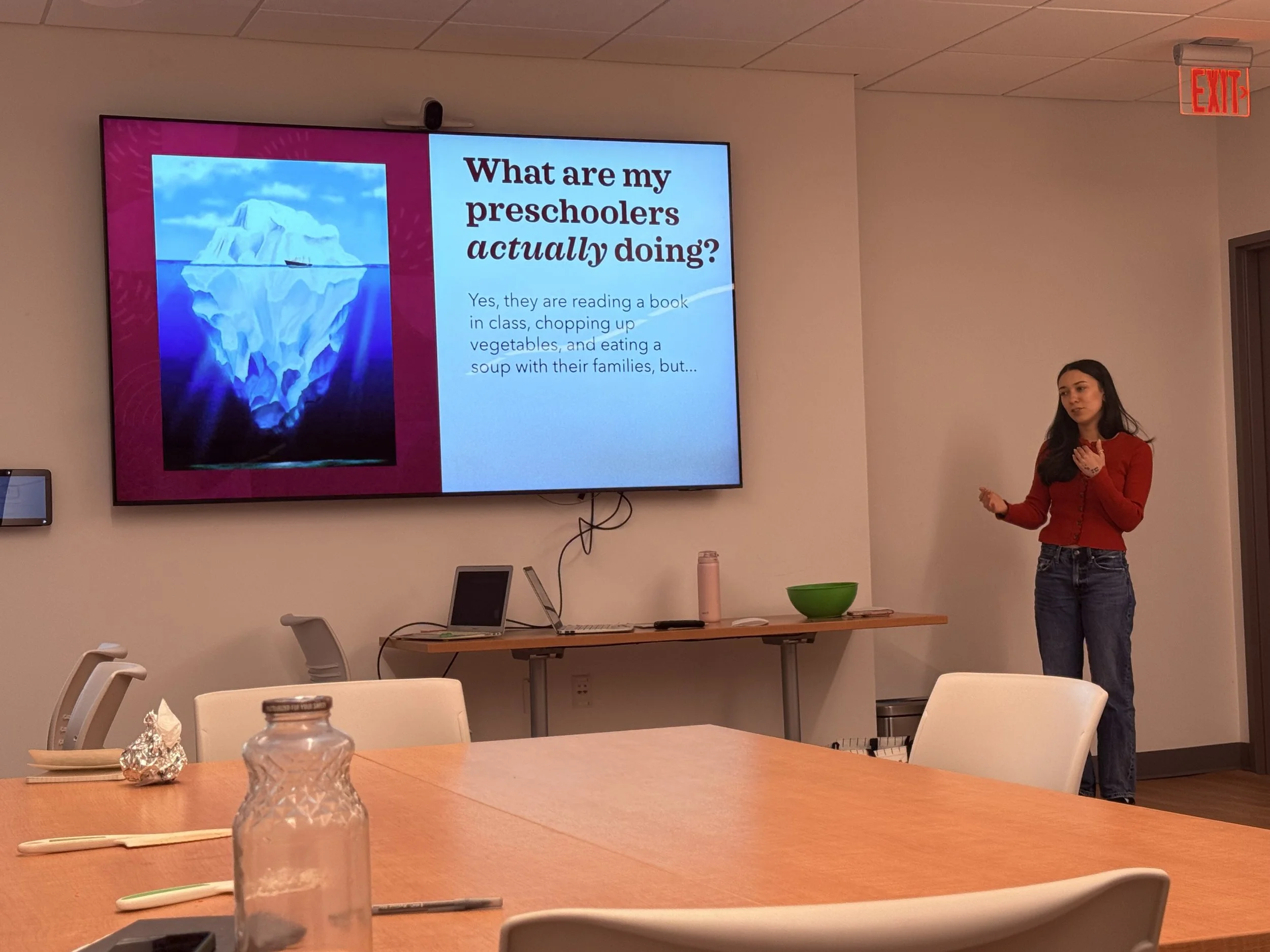
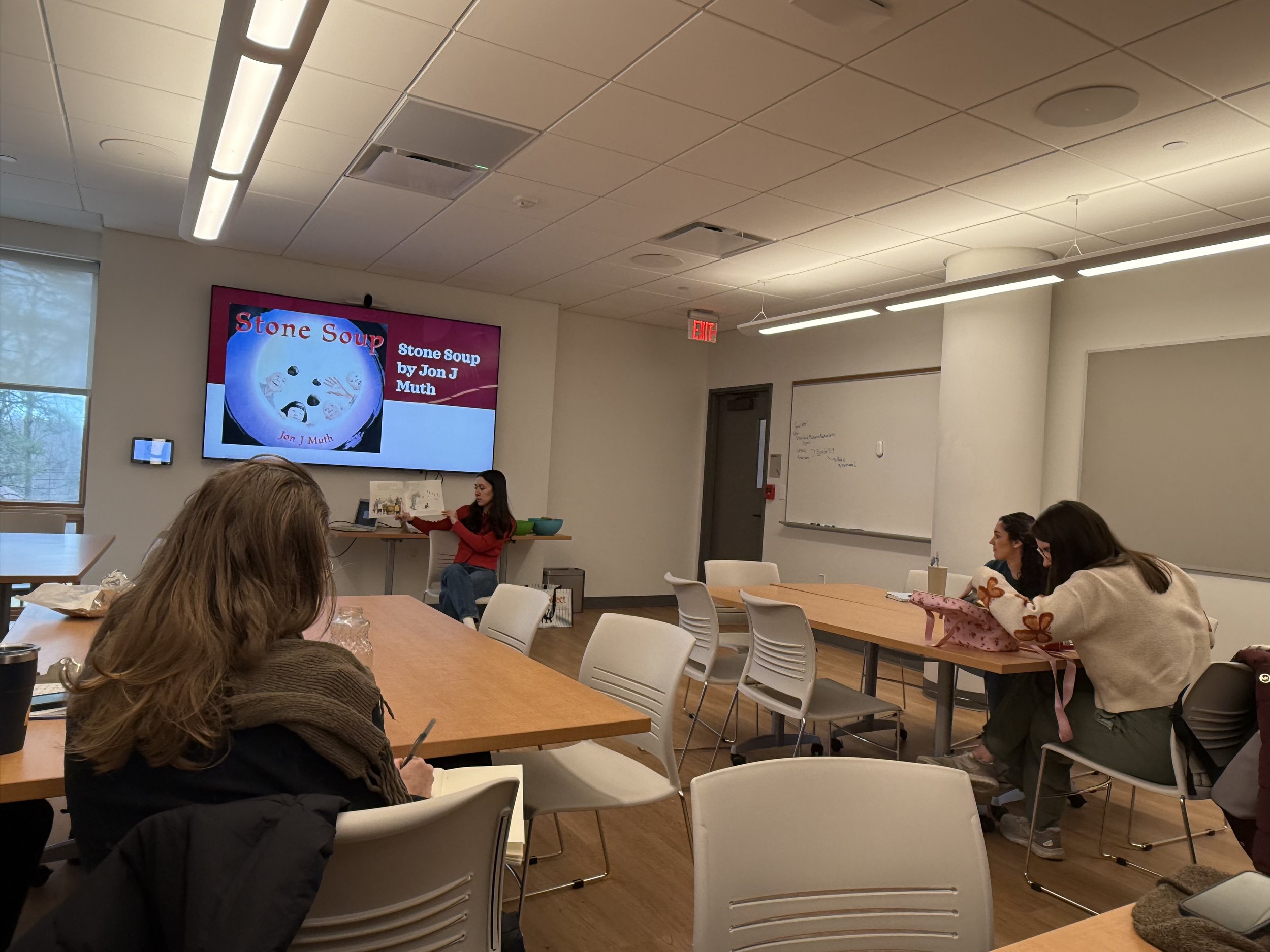
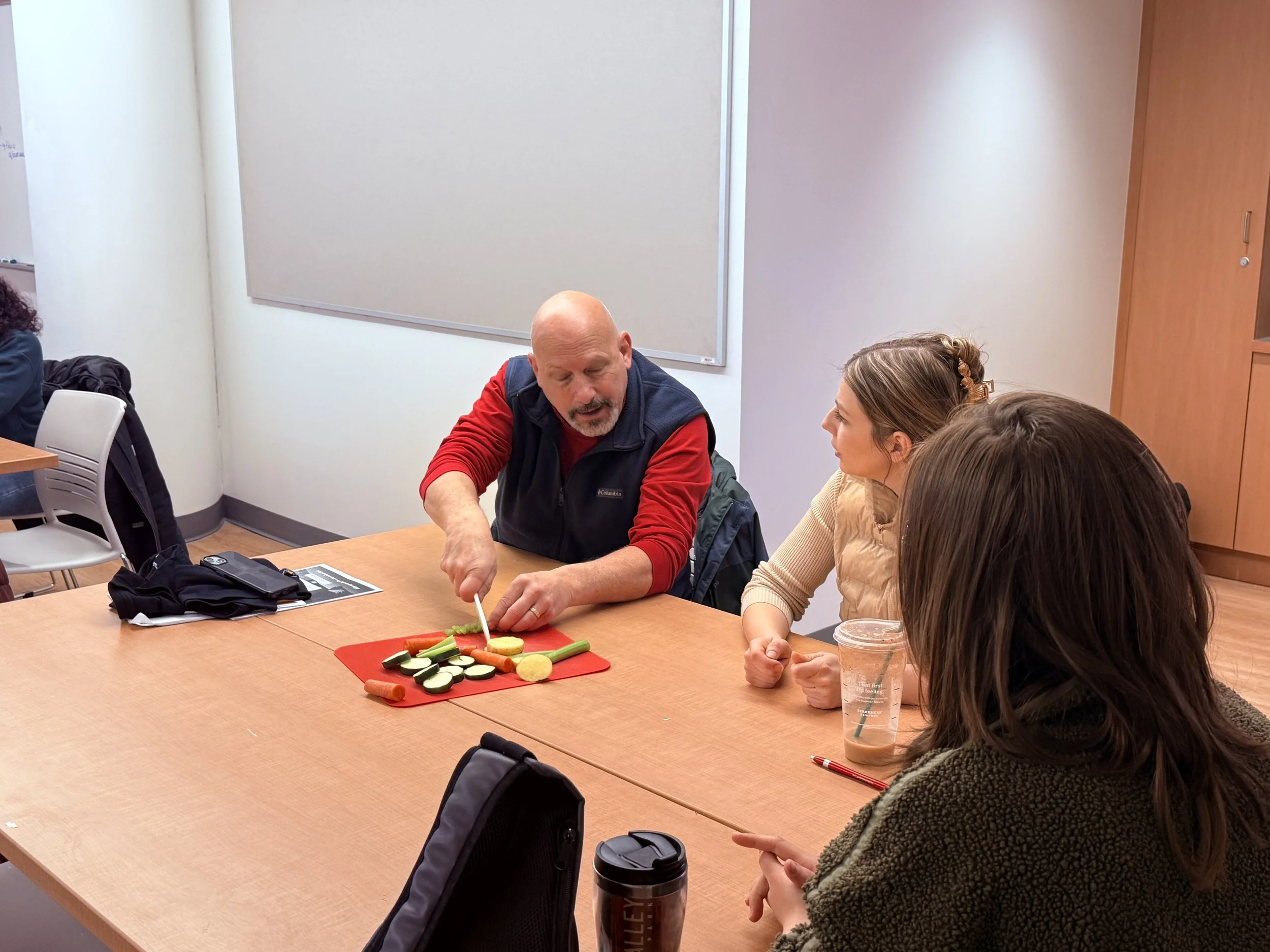
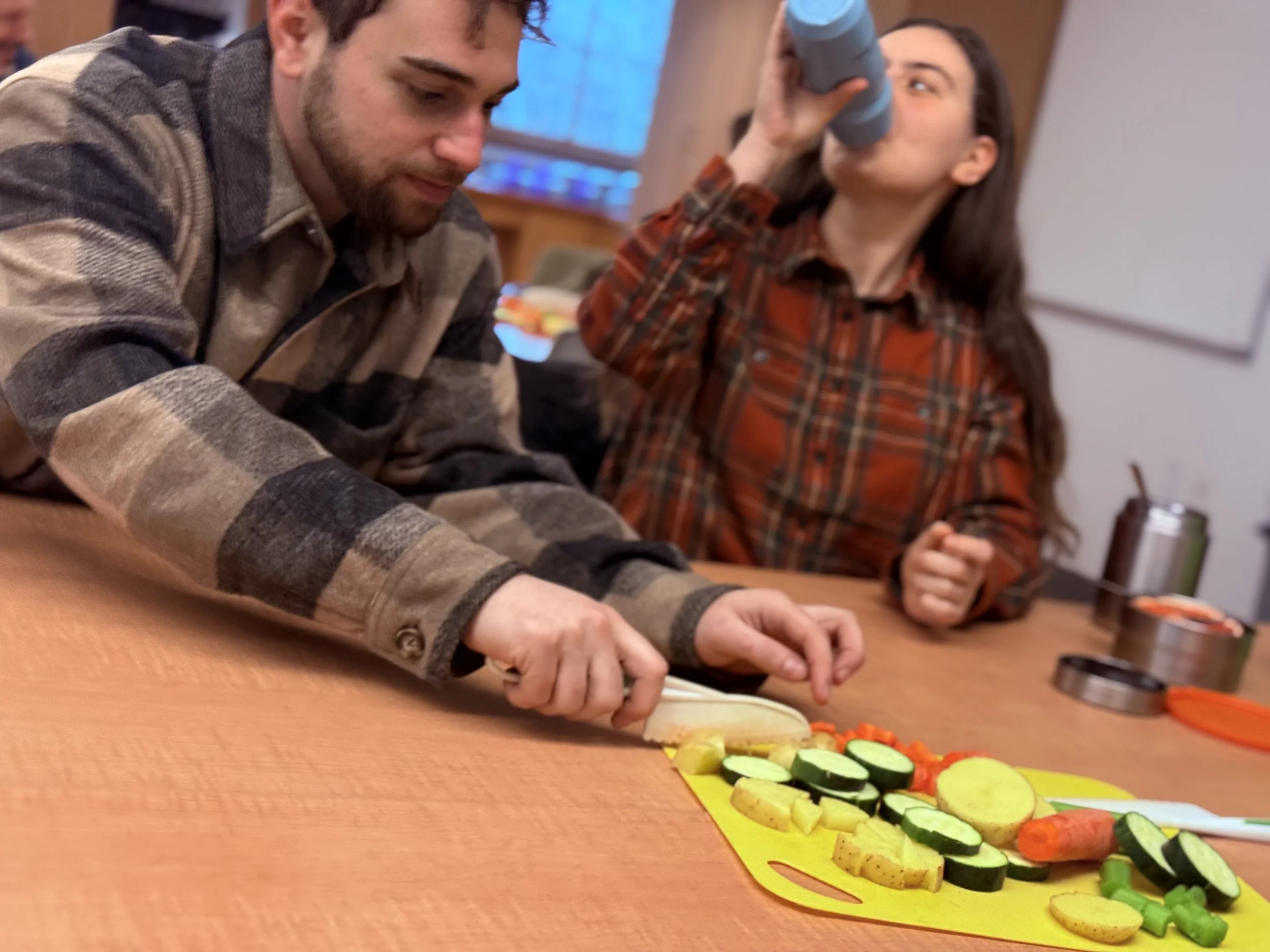
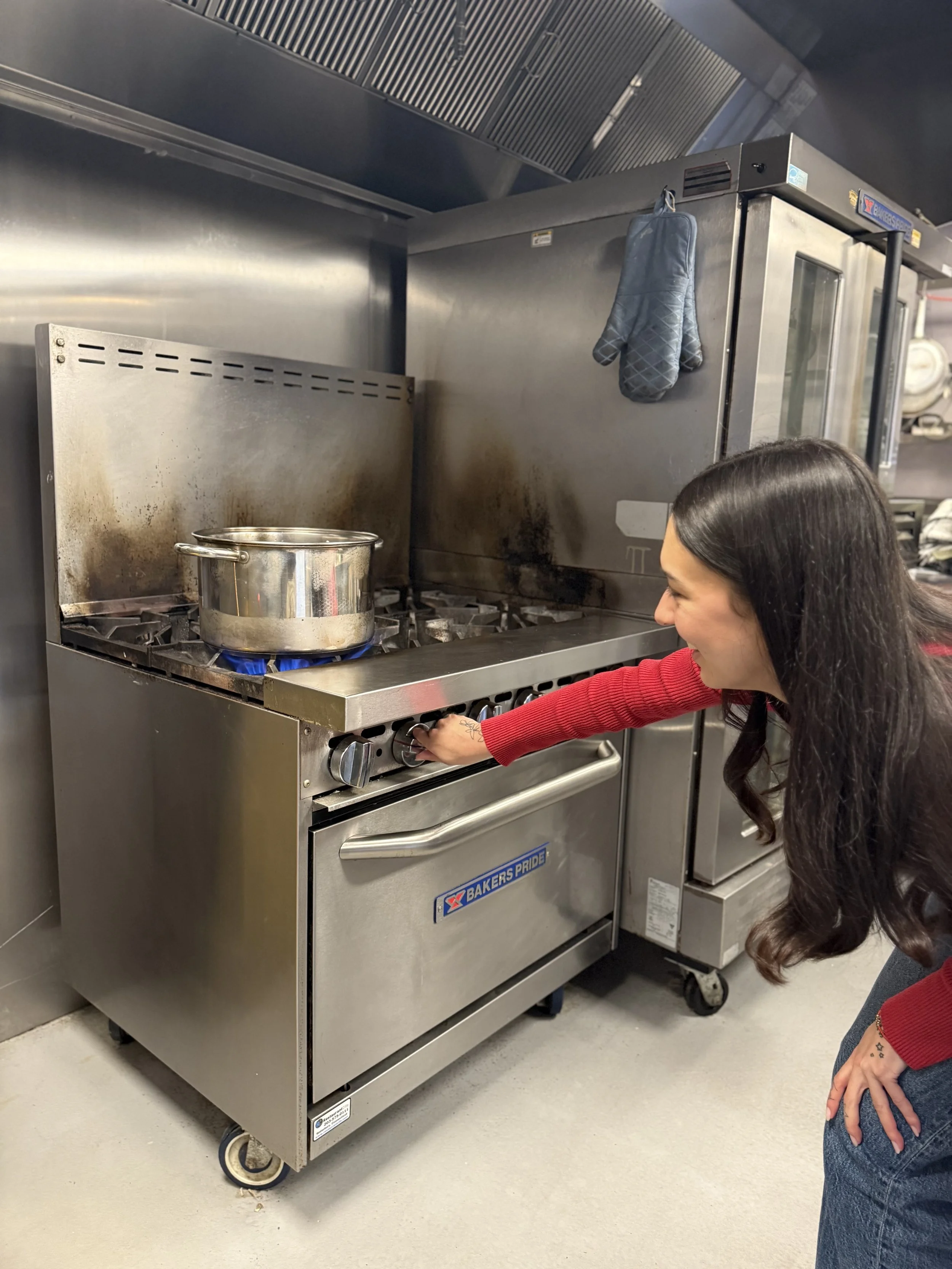
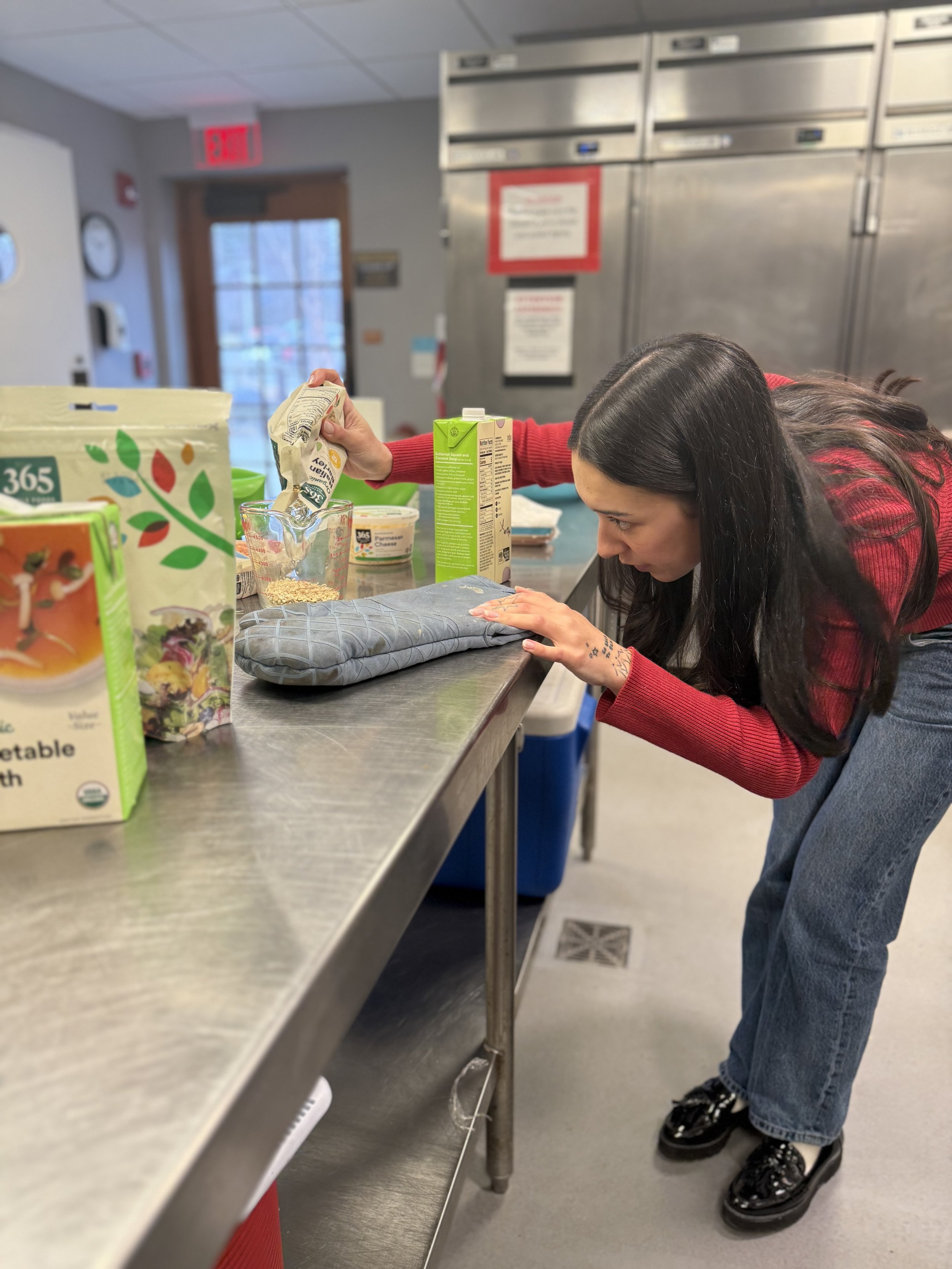
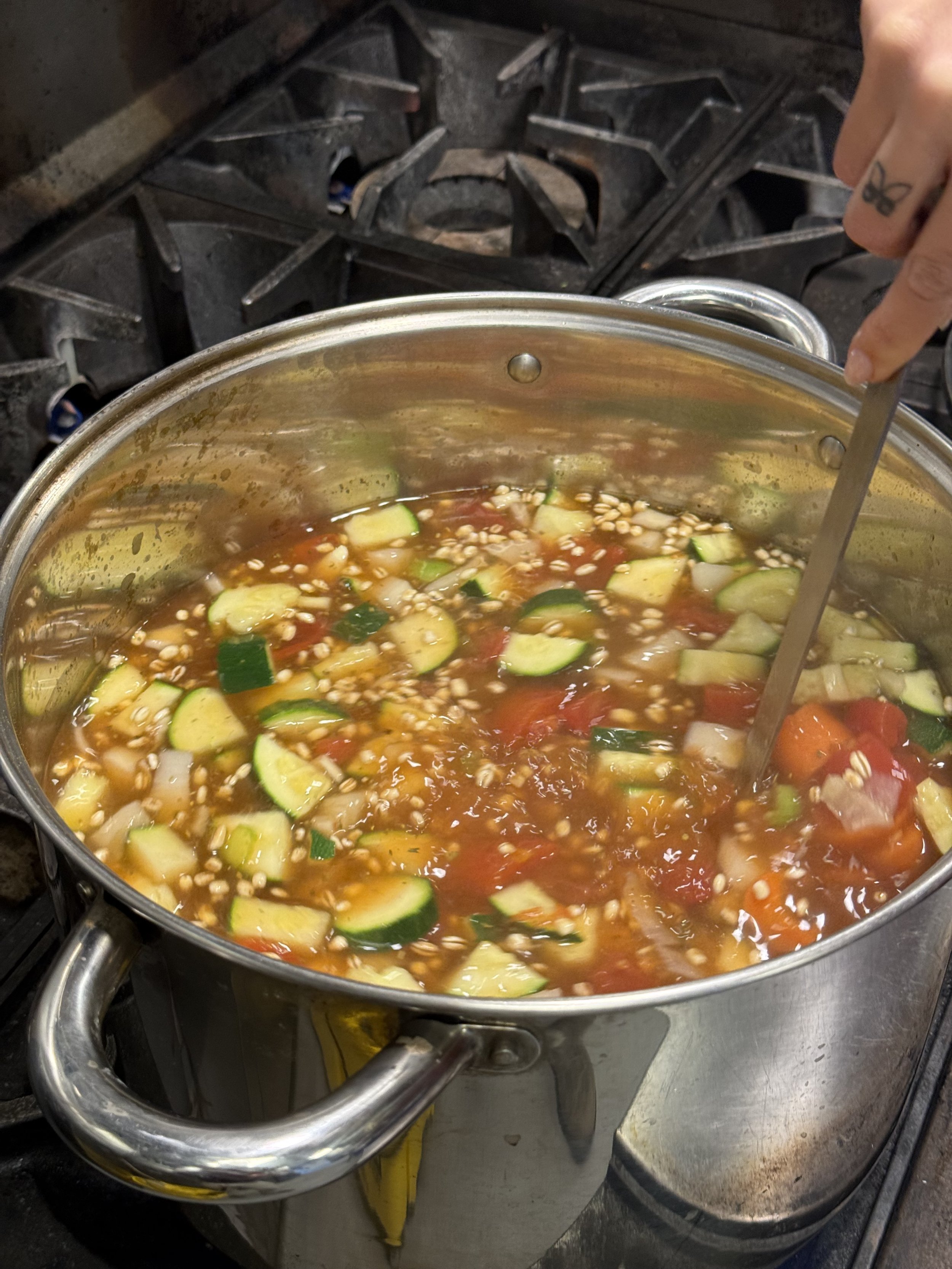
First, a fellow presenter at the REED conference, Joslyn Chen, who led a lunch-and-learn workshop on one of our favorite Forest Preschool celebrations, our Stone Soup Celebration.
“I had the opportunity to present at this year’s REED Conference in Stamford, and it was an incredibly fulfilling experience. Being surrounded by people who share my values around outdoor education, learning from their presentations, and having the chance to speak about the community events we host at the Rye Nature Center felt genuinely refreshing. The idea that educators from other organizations might adopt our beloved Stone Soup Celebration is especially exciting. Most empowering of all was presenting something so close to my heart to a crowd that truly understood and shared those same instructional values. It was a unique experience, and one I took so much away from. Everything really came together at the end of the day when me and my coworkers handed out cups of soup to as many REED attendees we could flag down.”
Henry Myers had this to say about a few of the sessions he attended:
“I attended a session on Extending Field Trips into the Classroom, where we workshopped ways to make lessons more multidisciplinary and increase school buy-in. Another highlight was Activating Space for Self-Guided Nature Play - keep an eye out for some new elements coming to the mud kitchen, inspired by that engaging class.
“And last (and probably my favorite) was ABCs of Waterfowl ID. The class was packed with memorable facts I’ll be repeating for years. I’ll leave you with one: the common loon does not have hollow bones like most birds, this added density allows the loon to dive up to 250 feet blow water while looking for fish!”
After chatting with the other attendees after the conference, it became clear that what stayed with people went well beyond any single session. For Madison, attending REED for the first time was as much about the people as it was the programming. She loved the sense of camaraderie throughout the day, especially the chance to run into former coworkers she hadn’t seen in years — all of them there for the same reason: to share environmental knowledge and experiences. She left feeling energized, with new ideas she’s genuinely excited to bring back and try in her own programs.
Ben kept coming back to how well REED balances sharing your work with learning from others. He loved seeing how engaged people were during the sessions led by own staff and by the idea that other organizations might take those concepts and make them their own. Something Ben mentioned that really resonated with me was his experience in the aforementioned waterfowl identification talk. This session was quite advanced, and he openly admitted he felt a little out of his depth — but the presenter’s enthusiasm and obvious love for the subject kept him hooked. For Ben, that passion was the real takeaway, and a reminder of how contagious good teaching can be.
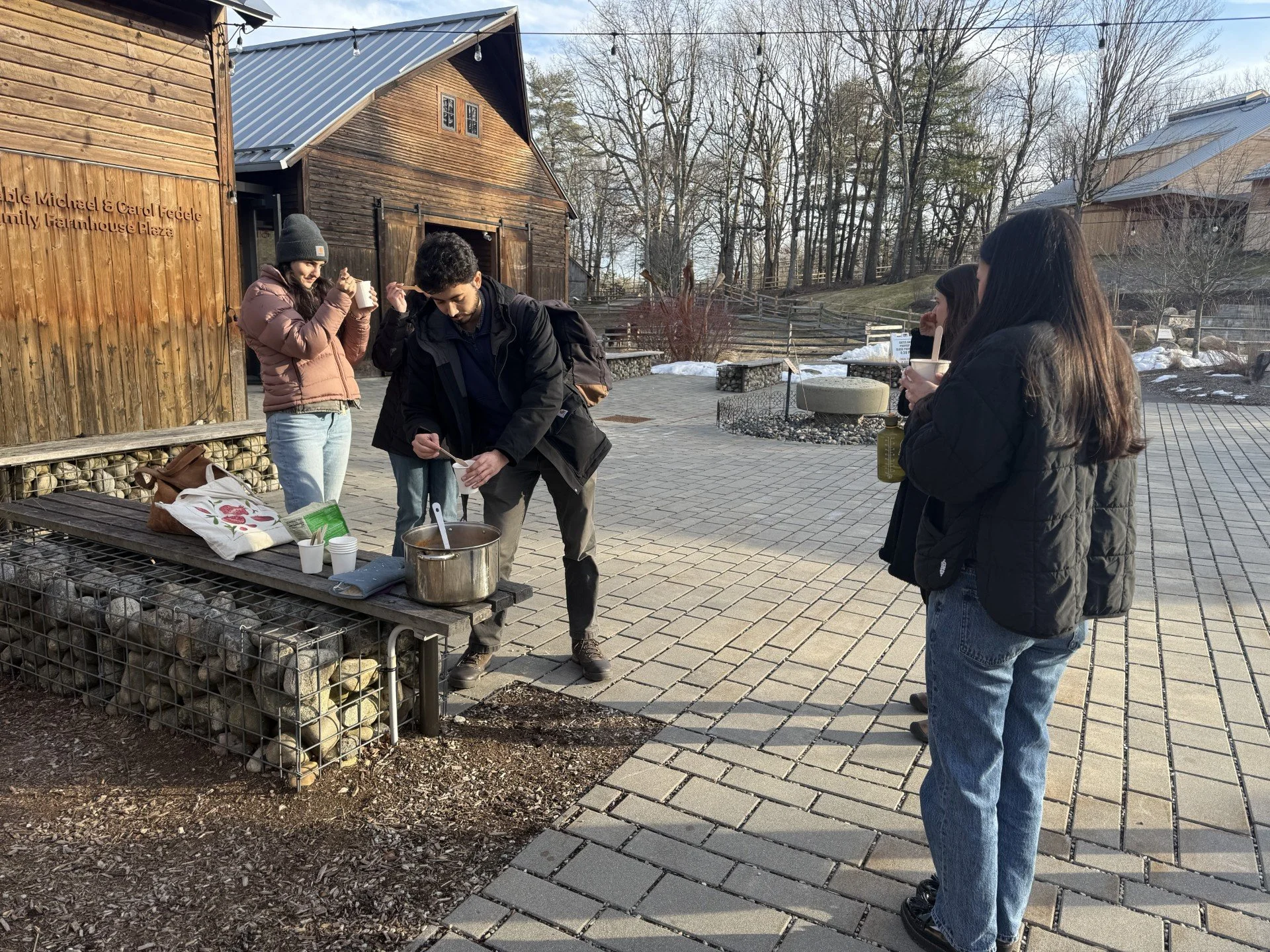
Stone Soup’s ready to serve!
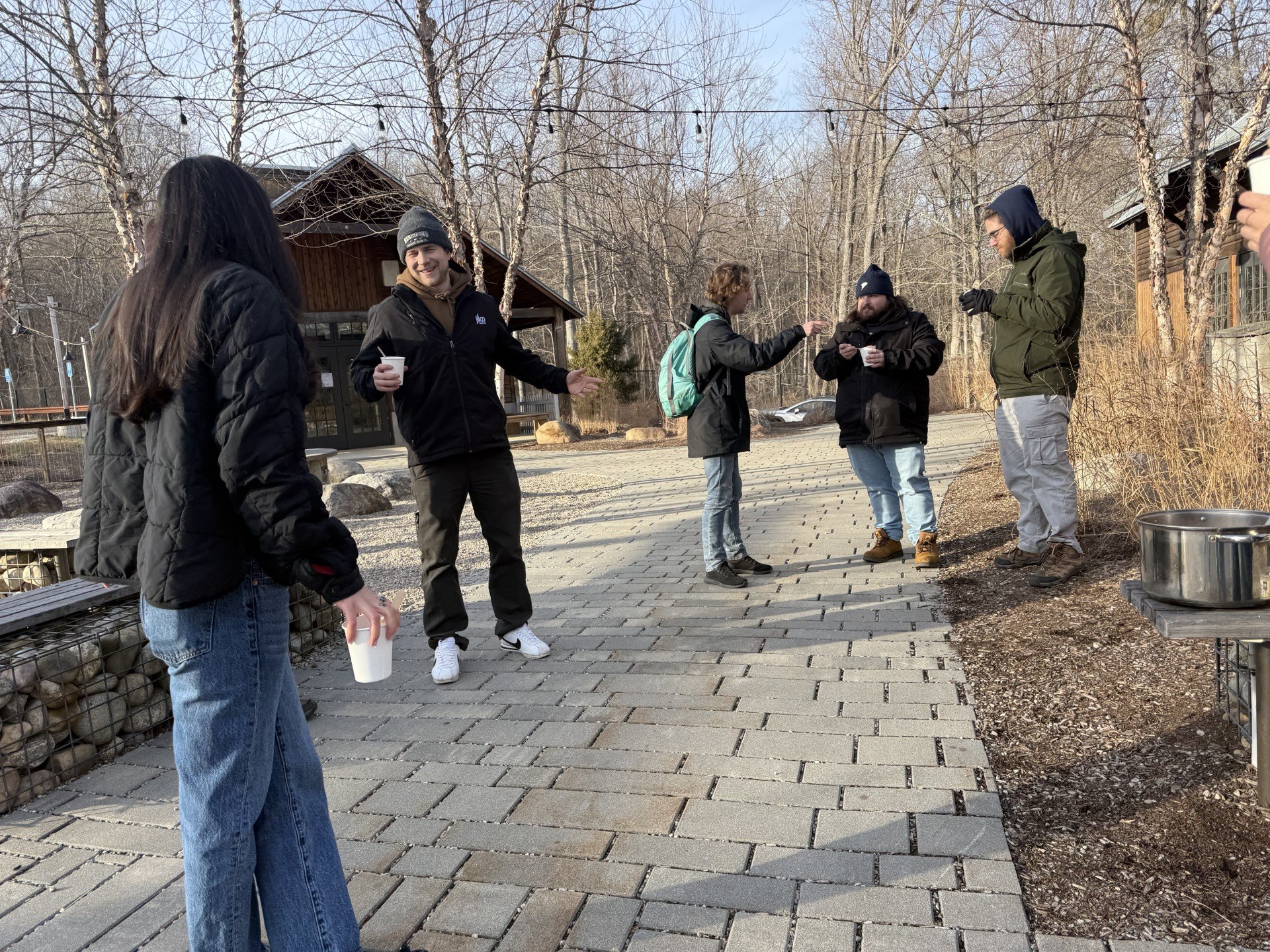
Sharing more than just a cup of soup~
To pull directly from my presentation, being an effective environmental educator is a 50% showcasing the splendor of the natural world and 50% how you shape and share your passion with those around you. This point has never been more evident to all of us here at the Rye Nature Center than following our time at REED.